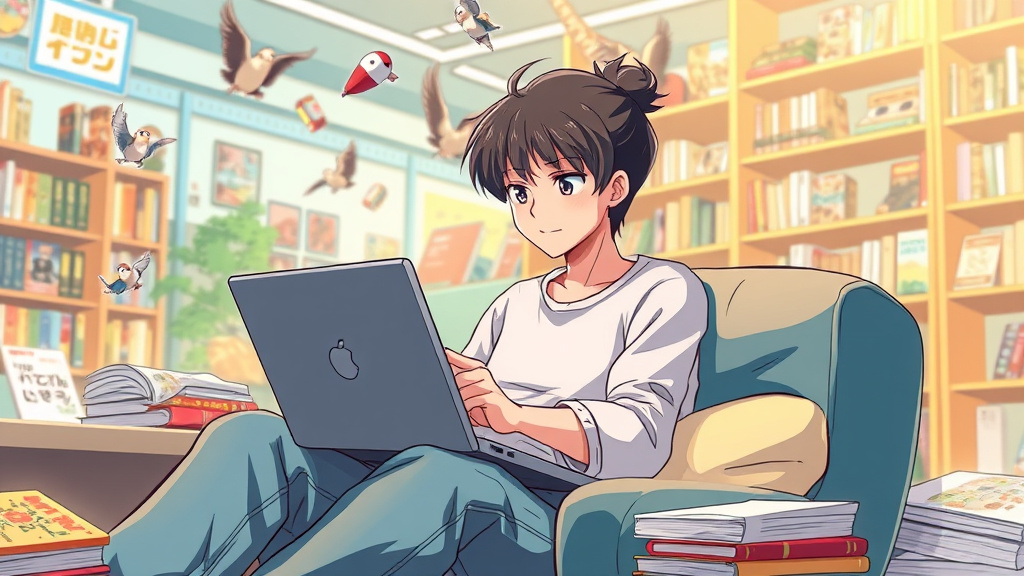
In the vast landscape of visual storytelling, the mediums of graphic novel manga have carved out a unique space, captivating audiences worldwide. These hybrid forms of art combine compelling narratives with stunning artwork, creating immersive experiences that transcend cultural boundaries. Whether in the form of long-form graphic novels or traditional manga, they serve as powerful vessels for storytelling, cultural expression, and artistic innovation. Their enduring appeal lies in their ability to blend artistry with complex themes, engaging diverse readerships across generations.
The proliferation of graphic novel manga showcases their versatility and universal appeal. This article delves into their history, artistic nuances, thematic diversity, and global influence, providing a comprehensive exploration of their role in contemporary storytelling. Through comparative analysis, genre exploration, cultural significance, and modern adaptations, we will uncover the reasons behind their rising popularity and their impact on global pop culture.
The Enduring Appeal of Graphic Novels and Manga – A Comparative Analysis
The lasting allure of graphic novels and manga stems from their capacity to provide both visual spectacle and deep narrative layers. Unlike traditional books, they immediately draw readers in through their artwork, offering emotional cues and atmospheric mood that words alone might struggle to convey. The cultural roots of manga—originating from Japan—and Western graphic novels foster unique stylistic conventions that influence reader preferences. Yet, both mediums excel at pushing storytelling boundaries, often tackling social issues, personal struggles, and fantastical worlds.
From a fundamental perspective, the appeal also lies in their accessibility; visually driven storytelling makes them inviting for a broad age range, including reluctant readers and those unfamiliar with traditional literature. Their serial nature encourages ongoing engagement, as readers eagerly anticipate subsequent installments. Additionally, the merger of art and text invites readers to interpret scenes and characters on multiple levels, transforming passive consumption into an active, immersive experience. These qualities underscore their universal allure, transcending cultural barriers and maintaining their relevance across decades.
 Hình minh họa: graphic novel manga – manhwa top
Graphic Novels vs. Manga – Exploring Key Differences in Art Style and Narrative Structure
While graphic novels and manga are often lumped together as visual storytelling, they exhibit distinctive characteristics rooted in cultural, artistic, and structural differences. In art style, manga tends to feature clean lines, expressive characters, and emphasis on motion and emotion, often utilizing screentones and dynamic panel layouts. Western graphic novels, on the other hand, display a wide variety of styles—from highly realistic to abstract—reflecting diverse artistic voices and cultural influences.
Narrative structures are similarly contrasting; manga frequently adopts serialized formats with episodic storylines, often conforming to genre-specific tropes, such as shonen or shojo. Western graphic novels may favor standalone stories with complex themes and experimental formats, often aligning with literary traditions. This divergence encourages readers to appreciate the distinct storytelling conventions and artistic sensibilities each medium offers, enriching the overall landscape of visual storytelling.
Beyond Superheroes – Diverse Genres and Themes in Graphic Novels and Manga
Although superhero tales are central to many Western graphic novels, graphic novel manga encompass a vast and diverse spectrum of genres, reflecting the multifaceted interests of their audiences. From romance, horror, and mystery to sci-fi, historical drama, and autobiographical works, they prove that graphic storytelling is not confined to one realm. Manga, in particular, caters to niche audiences with genres like shonen, seinen, shojō, and josei, each exploring themes relevant to specific demographic groups.
This genre diversity enhances the universality of graphic novel manga, as they delve into topics such as mental health, identity, social justice, and cultural heritage. They challenge stereotypes, expand representation, and encourage empathy by exploring stories beyond superhero cliches. As cultural products, they mirror societal issues and personal struggles, making them relevant and resonant with readers worldwide. Their ability to adapt to varied themes ensures their continued evolution and relevance in contemporary storytelling.
The Global Impact and Cultural Significance of Manga
Since Japan popularized manga in the post-war era, its influence has transcended borders, becoming a major cultural phenomenon worldwide. The accessibility of manga, with its serialized format and affordable print versions, facilitated its global spread. Today, manga is embedded within international pop culture—forming a significant part of linguistic learning, fashion, and academia—highlighting its cultural significance.
This global impact goes beyond entertainment; manga serves as a lens into Japanese culture, history, and societal values. Themes like honor, family, technology, and spirituality are woven into the narratives, fostering cross-cultural understanding. The international fandom has also contributed to the rise of manga artists and publishers beyond Japan, promoting a vibrant transnational exchange of artistic ideas. This cultural resonance underscores manga’s role as both an entertainment medium and a vital cultural ambassador.
Graphic Novels as Literature – Analyzing Narrative Complexity and Literary Devices
Critics and scholars increasingly recognize graphic novels as a legitimate literary form, capable of complex storytelling and literary depth. Beyond their visual appeal, they employ a rich array of literary devices—such as symbolism, foreshadowing, and allegory—that elevate their narrative sophistication. For instance, authors like Marjane Satrapi or Art Spiegelman demonstrate how graphic novels can explore themes of trauma, identity, and memory with profound nuance.
One key aspect of their literary credibility is the use of visual storytelling as a complementary narrative tool—employing panel layout, color schemes, and visual metaphors to deepen meaning. This integration allows for multi-layered narratives that engage readers intellectually and emotionally. The recognition of graphic novels as literary art forms signifies their evolving status within literary academia and expands their reach into educational curricula, fostering a broader appreciation of storytelling as a multidisciplinary craft.
Manga’s Influence on Western Comics and Visual Storytelling
Manga has profoundly impacted Western comics, influencing art styles, narrative techniques, and genre development. Its popularity has led to a resurgence of interest in serialized storytelling, with Western creators adopting manga-inspired panel layouts, pacing, and stylistic motifs. Notable adaptations and collaborations have blurred the lines between Eastern and Western comic traditions, enriching the visual language of comics globally.
Moreover, manga’s emphasis on character development, emotional depth, and genre diversity has inspired Western creators to innovate within their own mediums. As a result, comics have become more multifaceted and introspective, challenging traditional superhero archetypes and embracing more personal and socially conscious stories. This cross-pollination fosters a dynamic, worldwide comics culture, highlighting how manga’s influence extends beyond aesthetics to affect storytelling paradigms.
Adapting Graphic Novels and Manga for Film and Television – Successes and Challenges
Adapting graphic novels and manga for screen is a pursuit fraught with both artistic opportunity and logistical challenges. Successful adaptations, like The Walking Dead or Ghost in the Shell, demonstrate how these stories can translate visually and thematically into compelling visual media. However, differences in tone, pacing, and depth often pose significant hurdles in preserving the source material’s essence.
Furthermore, adaptations frequently face the challenge of meeting fan expectations while appealing to broader audiences. Artistic choices—such as casting and visual effects—must balance fidelity with creative reinterpretation. While some adaptations enhance the stories’ reach and impact, others risk diluting or misrepresenting the original themes. Navigating these challenges requires respectful collaboration between creators and fans, acknowledging the unique qualities of graphic novels and manga as art forms.
The Rise of Digital Graphic Novels and Manga – Accessibility and Readership Trends
The advent of digital platforms has transformed graphic novel manga accessibility and readership. Online comics platforms, apps, and webtoons allow instant access to a multitude of titles, democratizing the publishing process and opening new avenues for independent creators. This digital shift broadens the audience base, reaching people who might not traditionally visit comic stores or libraries.
Alongside increased accessibility, readership trends highlight a global appetite for diverse and culturally specific stories. Digital formats support interactive features—such as animation and reader comments—that enhance engagement. As the digital landscape continues to evolve, it promises to further diversify the types of stories told and expand the cultural reach of graphic novel manga, fostering a dynamic, interconnected fan community.
Creating Compelling Characters in Graphic Novels and Manga – A Character Development Guide
Strong character development is the cornerstone of memorable graphic novels and manga. Creating compelling characters involves a combination of visual design, backstory, and personality traits that resonate with readers. Effective characters often embody complex motivations and undergo meaningful growth, making their journeys impactful and authentic.
For creators, visual storytelling plays a vital role in character development—through expressive facial expressions, posture, and costume design. Coupled with well-crafted dialogue, these elements deepen character depth and enhance narrative engagement. Crafting nuanced characters ensures that stories evoke empathy and curiosity, transforming abstract plots into emotionally charged journeys that stay with readers long after they’ve finished the last page.
The Business of Graphic Novels and Manga – Publishing, Distribution, and Fan Culture
The business landscape surrounding graphic novel manga is increasingly sophisticated, encompassing everything from traditional publishing and licensing to digital distribution and fan-driven markets. Major publishers like Marvel, DC, and Kodansha have secured a global distribution network, while independent creators leverage crowdfunding platforms to publish niche projects. This diversity allows stories to reach a wide array of audiences and supports innovative and diverse voices in the industry.
Fan culture plays a pivotal role in the commercial success of both mediums. Fandoms engage through conventions, fan art, cosplay, and online communities, creating a vibrant ecosystem that sustains interest and drives sales. The rise of digital media has amplified this interaction, transforming fans into active participants in the storytelling landscape—further fueling the growth and evolution of graphic novel manga into cultural phenomena that continually adapt to new technological and social shifts.
Conclusion
Graphic novel manga represent a vibrant, multifaceted form of storytelling that combines visual artistry with profound thematic depth, transcending cultural boundaries and appealing to diverse audiences worldwide. Their comparative strengths lie in their artistic styles, narrative complexity, and genre diversity, which have significantly influenced global media, including Western comics and film adaptations. As digital platforms facilitate accessibility and foster fan engagement, these storytelling mediums continue to evolve, inspiring new generations of creators and readers. Ultimately, graphic novel manga exemplify the power of visual storytelling to reflect society, explore identity, and evoke emotion—affirming their vital role in contemporary culture and art.